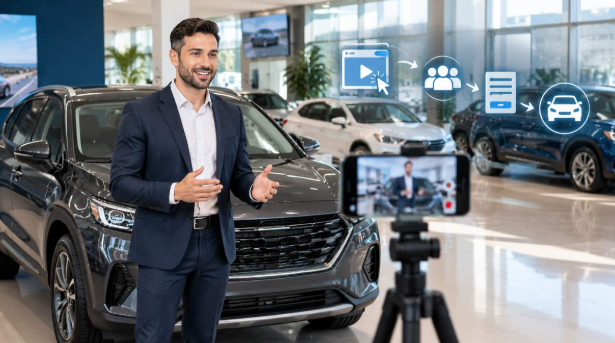
Paid advertising can help dealerships connect with vehicle owners who are considering selling their cars. However, generating clicks does not guarantee valuable leads. To turn advertising spend into real acquisition opportunities, businesses need relevant ads, effective landing pages, simple inquiry forms, and consistent follow-up.
Paid traffic acquisition focuses on attracting targeted visitors through advertising channels and converting their interest into meaningful business opportunities. For dealerships seeking to purchase vehicles directly from private owners, the goal is to generate qualified seller inquiries and acquire vehicles that match their requirements.
1. Target the Right Vehicle Owners
Successful campaigns begin with a clear understanding of the intended audience. General automotive advertisements may attract people interested in buying cars rather than selling them.
Dealerships should focus on audiences likely to consider selling their vehicles. Search advertising can reach people actively Car Dealer Video Marketing looking for ways to sell a car, while social media campaigns can introduce acquisition services to relevant audiences.
Useful targeting strategies include:
- Promoting vehicle purchasing services in the dealership’s acquisition area.
- Creating campaigns for specific vehicle categories, such as SUVs, sedans, and pickup trucks.
- Using clear messaging that explains the service is intended for vehicle sellers.
- Reviewing which campaigns generate suitable vehicles rather than simply attracting clicks.
Targeting should reflect current acquisition needs and the types of vehicles the business can realistically evaluate and purchase.
2. Create an Offer That Encourages Sellers to Act
Vehicle owners often compare dealerships, private sales, and online purchasing services before choosing how to sell. Your advertisement should explain why contacting your business is worthwhile.
Highlight genuine benefits, such as a straightforward evaluation process, convenient communication, or the opportunity to discuss a direct vehicle sale.
Avoid unsupported promises about guaranteed prices or instant purchases. Clear expectations help attract sellers who understand Car Dealer Video Marketing the service and are more likely to become qualified leads.
Every advertisement should communicate three things: who the service is for, what the seller can expect, and what action to take next.
3. Build a Focused Landing Page
When someone clicks an advertisement, the landing page should immediately connect with the message that attracted them.
Instead of sending every visitor to a generic homepage, direct sellers to a page explaining how to submit their vehicle information.
An effective landing page should include:
- A clear headline describing the vehicle acquisition service.
- Simple instructions explaining the process.
- A short form requesting essential vehicle details.
- Accurate business contact information.
- A clear call to action, such as submitting vehicle details for review.
Keep the form straightforward. Information such as make, model, year, mileage, and general condition can help the acquisition team begin evaluating an inquiry.
Explain what happens after submission so sellers know whether they should expect a follow-up call, additional questions, or an inspection.
Establish a Reliable Follow-Up System
Even a well-targeted campaign can underperform when dealerships respond inconsistently. Buyers often contact multiple sellers, and an unanswered inquiry can make it easier for them to continue elsewhere.
A reliable follow-up system ensures that every inquiry has an owner and a clear next action.
A practical process might look like this:
| Stage | Follow-up action | Purpose |
| Inquiry received | Acknowledge the request and assign responsibility | Confirm that the inquiry has been received |
| Initial response | Answer the customer’s specific question | Provide useful information promptly |
| Additional assistance | Share relevant details or offer a test drive | Help the buyer evaluate the vehicle |
| Pending decision | Send a courteous, relevant follow-up | Keep the conversation open |
| Longer-term interest | Provide appropriate updates with permission | Support future buying decisions |
Response expectations should reflect the dealership’s operating hours, staffing, and customer service commitments. Automated acknowledgments can confirm receipt outside business hours, but they should not be presented as personalized answers when no employee has reviewed the request.
Every follow-up should relate to the original inquiry. A buyer asking about vehicle condition needs a useful answer about that vehicle, not an unrelated promotional message.
Dealerships should also document the Car Dealer Video Marketing outcome of each interaction so that the next employee can continue the conversation without making the customer repeat information.
4. Improve Lead Quality and Follow-Up
Not every inquiry represents an immediate purchasing opportunity. Some sellers are ready to arrange an evaluation, while others are researching their options.
Use relevant details, such as vehicle information, customer questions, and stated selling timelines, to prioritize follow-up. High-intent inquiries should receive prompt attention, while other prospects may benefit from additional information.
A consistent process should include:
- Acknowledging each inquiry.
- Reviewing the submitted vehicle details.
- Contacting the seller to clarify important information.
- Explaining the evaluation or inspection process.
- Recording the outcome and next steps.
A customer relationship management (CRM) system can help Cost per qualified lead assign schedule reminders, and track conversations. Automation can support routine acknowledgments, but personal responses remain important when sellers have specific questions.
5. Measure Campaign Performance
Clicks and impressions show advertising activity, but they do not reveal whether campaigns are producing suitable vehicles.
Track metrics that connect advertising to acquisition outcomes, including:
- Cost per lead: Advertising spend divided by total leads.
- Cost per qualified lead: Advertising spend divided by leads meeting acquisition criteria.
- Lead-to-acquisition rate: The percentage of leads resulting in completed vehicle purchases.
- Cost per vehicle acquired: Relevant advertising spend divided by vehicles purchased.
If a campaign generates many clicks but few qualified leads, its targeting, message, or landing page may need improvement. If qualified leads rarely become purchases, review seller expectations, response times, and the evaluation process.
Turning Advertising Into Vehicle Acquisition Opportunities
An effective paid traffic acquisition strategy connects targeted advertising with a simple submission process and reliable follow-up. Dealerships should focus on attracting suitable sellers, explaining their services clearly, and Car Dealer Video Marketing measuring completed acquisitions rather than relying on traffic numbers alone.
By testing campaigns, improving landing pages, and responding consistently, businesses can make better use of advertising budgets and develop a more dependable source of vehicle acquisition leads. Staying informed about industry developments and emerging business trends helps companies make better strategic decisions. Access to reliable market insights, industry analysis, and research findings can help businesses understand changing customer needs and identify new opportunities. For additional information and industry-related resources, visit Market Report.
FAQs
What is paid traffic acquisition for dealerships?
It involves using paid advertising to attract vehicle owners who may be interested in selling their cars to a dealership or vehicle acquisition business.
How can dealerships generate better vehicle acquisition leads?
They can improve audience targeting, create seller-focused advertisements, simplify inquiry forms, and follow up promptly with relevant questions and information.
Which metrics should vehicle acquisition campaigns track?
Important metrics include cost per qualified lead, lead-to-acquisition rate, and cost per vehicle acquired, alongside clicks and landing page conversions.
Why do advertising clicks fail to generate vehicle leads?
Common reasons include broad targeting, unclear offers, irrelevant landing pages, complicated forms, and slow follow-up.